
The Fayette County Neighborhood Council.
Making neighborhoods work, keeping you informed.
Join us at our next monthly meeting.
Coming Up
Join us for our next event at
Tates Creek Christian Church, 3150 Tates Creek Road, Lexington, KY 40502
We typically meet the 2nd Monday of each month, from 6:30-8:00PM.
Who We Are
The Fayette County Neighborhood Council (FCNC) is a non-profit 501(c)3 coalition of local neighborhood and homeowner associations.
Lexington is changing fast, and what happens at City Hall or down in Frankfort impacts your backyard just as much as a zone change next door.
For decades, we’ve served as the eyes, ears, and collective voice for residents navigating everything from major infrastructure expansions and stormwater flooding issues to short-term rental deregulation and bicycle safety ordinances.
Neighborhoods have significantly more impact when we work together, and FCNC ensures our local leaders hear us clearly before votes are cast.
Find Your Neighborhood
Find your neighborhood on the Lexington KY website.
“To find out what neighborhood association you live in, go to MapIt! and type in your address by selecting the “find” function/binoculars icon.”
You’ll find the Lexington neighborhood information on this page: https://www.lexingtonky.gov/government/departments-programs/planning-preservation/planning/find-your-neighborhood-association
Serve the city, and be a part of a community
If you are a neighborhood association leader, an HOA board member, or a civic-minded resident in Fayette County, this website is built for you.
Tracking city design manuals, corridor studies, and state housing bills is a massive undertaking for any single neighborhood. We talk with experts to help us understand complex zoning laws, planning commission votes, and legislative updates so you can keep your residents informed and engaged.
If your neighborhood hasn’t officially joined the Council yet, we encourage you to get involved. Our strength relies entirely on our shared network.
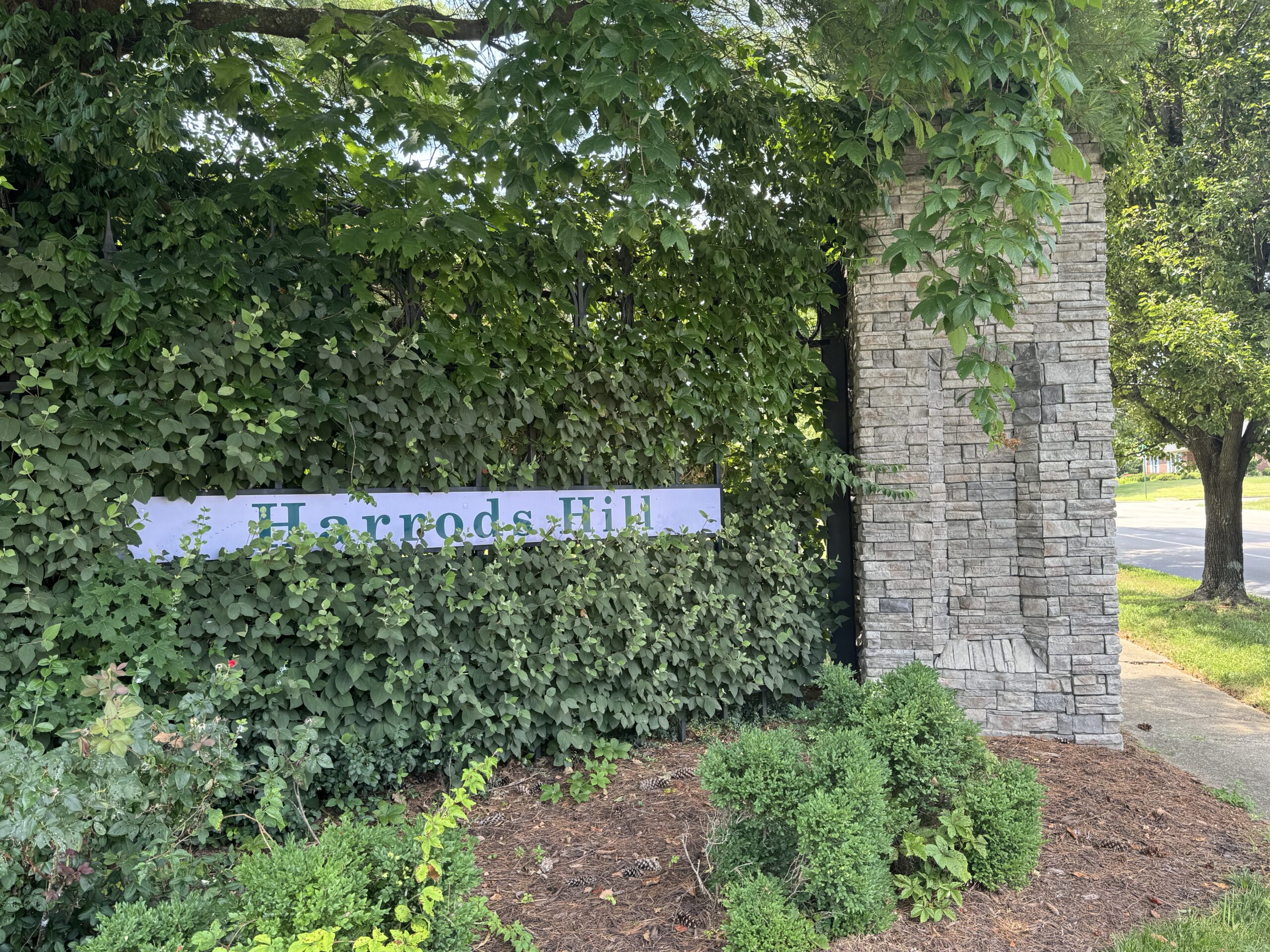
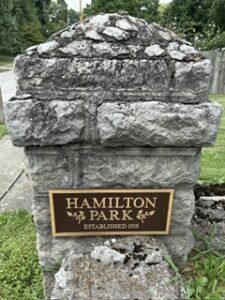
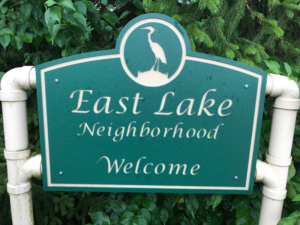
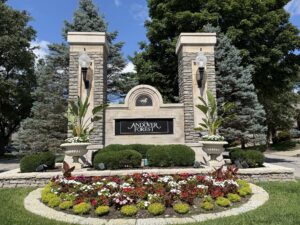
Local actions lead to big change.
It is easy to look at a massive state housing bill or a sprawling city corridor study and feel like a single neighborhood doesn’t stand a chance. But the reality of local government is that big policy shifts are almost always decided by the small, everyday details.
When a neighborhood association coordinates its voices to speak up at a planning commission hearing, flags an oversight in a stormwater drainage plan, or calls their representatives about short-term rental deregulation, the trajectory of our city changes.
Civic impact starts on our walking trails, our neighborhood streets, and around our local meeting tables. Showing up matters, and when our neighborhoods act together, City Hall listens.